Owner Operator of the Month – January 2026 – Scott
February 20, 2026
Owner Operator of the Month – February 2026 – Brandon
March 19, 2026Seasonal hauling can have a significant impact on trailer performance, safety, and reliability. Heat, cold, moisture, and extended hauling periods place added stress on critical components, increasing the risk of breakdowns, delays, and unexpected repair costs. Regular trailer maintenance helps identify potential issues before they become major problems, helping reduce downtime and keep equipment operating efficiently.
This seasonal trailer maintenance checklist outlines key inspections and preventive maintenance tasks to perform throughout the year. By routinely checking tires, brakes, fluids, batteries, cooling systems, and other essential components, trailer owners and operators can improve safety, support regulatory compliance, extend equipment life, and keep trailers ready for the road in every season.
Why You Need a Trailer Maintenance Schedule
A consistent trailer maintenance schedule helps prevent minor issues from turning into transport delays, safety risks, or unexpected repair costs. Seasonal changes put different stresses on trailer tires, brake pads, bearings, and electrical systems, and those problems are especially prevalent in a high-maintenance trailer that sees frequent use.
Industry data shows that commercial tow vehicles experience a roadside service event roughly once every 10,000 miles, with maintenance-related issues among the most common causes. These events can include tire blowouts, brake failures, electrical malfunctions, or coupling issues that require immediate attention. This highlights the value of routine inspections and preventive maintenance throughout the year.
Regular inspections catch wear early, when fixes are faster and less disruptive. Trailers that follow a planned trailer preventive maintenance checklist tend to stay in service longer and perform more predictably. Instead of reacting to breakdowns, maintenance becomes part of normal operations. That makes it easier to plan hauls, schedule transport, and keep equipment ready as workloads and weather conditions change.
A regular maintenance schedule helps:
- Reduce roadside breakdowns and emergency repairs
- Improve braking performance and tire life through proper trailer brake maintenance
- Identify electrical or coupling issues before transport
- Extend the overall service life of the trailer
- Keep trailers ready to move during peak seasons
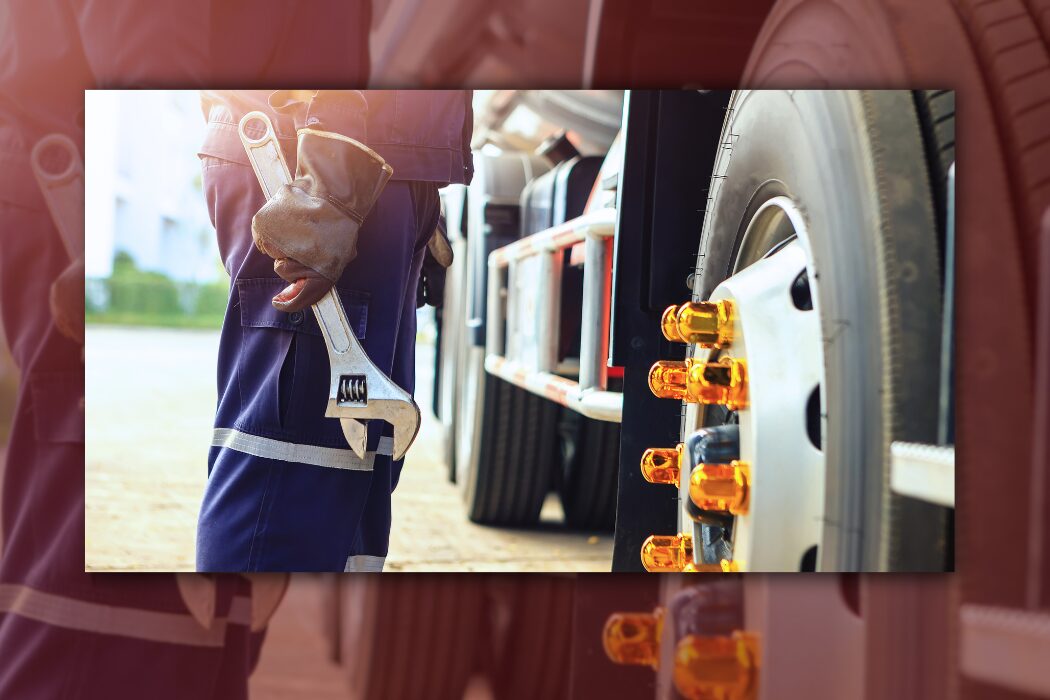
The Ultimate Trailer Maintenance Checklist by Season
Seasonal conditions affect how trailers sit, wear, and perform during transport. Breaking maintenance into seasonal checkpoints makes inspections easier to complete and helps prevent issues from showing up during active hauls or long-distance moves.
Spring is a good time for a post-winter inspection, including checking for damage, corrosion, and wear caused by cold temperatures and winter road conditions. Fall maintenance should focus on preparing trailers for colder weather, while winter checks help ensure equipment remains ready for changing road and weather conditions.
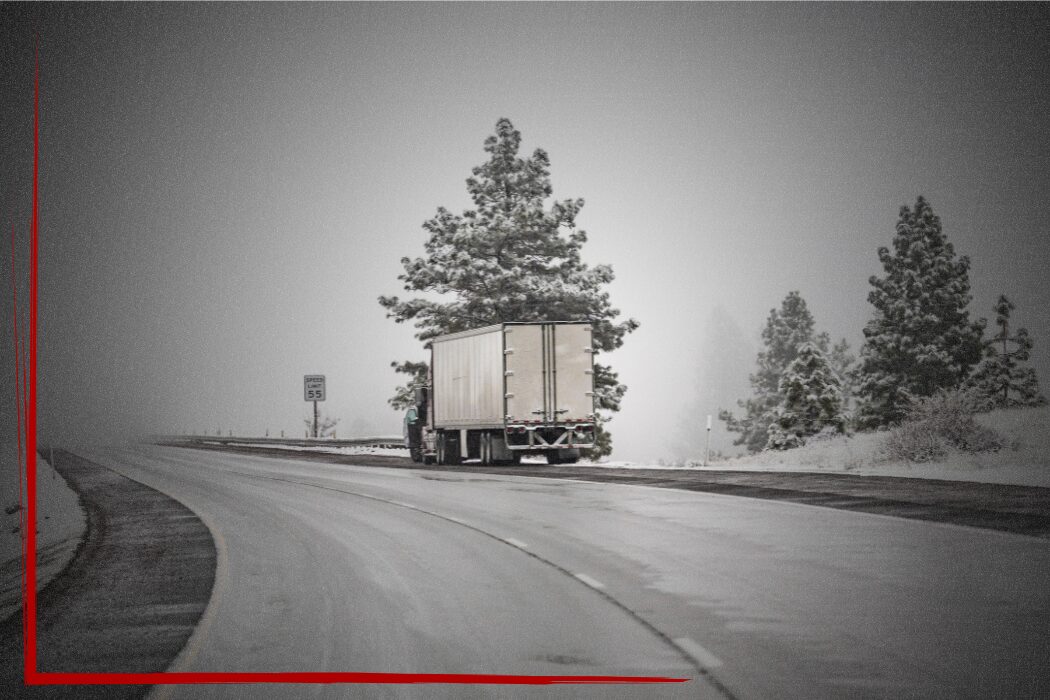
Spring - Post-Winter Inspection
Winter storage and cold weather can leave behind wear that is easy to miss. A spring inspection helps identify moisture damage, corrosion, and component wear before your trailer returns to regular use.
Start with the areas most affected by storage and temperature swings, including:
Tires and Pressure Checks
- Inspect tires for cracking, flat spots, uneven wear, and proper tread depth
- Check and adjust tire pressure
Wheels and Bearings
- Inspect wheel bearings for proper lubrication and smooth rotation
Brake System Inspection
- Test brake lines and components for responsiveness and signs of corrosion
Frame and Undercarriage
- Check for rust, corrosion, or loose fasteners
Electrical Systems
- Test all trailer lights, wiring, and electrical connections
Hitch and Safety Components
- Inspect couplers, pins, safety chains, and breakaway systems
Finish with a full wash to remove winter salt and grime. Cleaning the trailer makes it easier to spot developing issues and prevents corrosion.
Fall - Preparing for Storage
Fall is the best time to reset your trailer after a busy season and prepare it for storage or reduced use. Addressing moisture, debris, and battery health now helps prevent cold-weather damage and makes spring startup easier.
Pay special attention to cleaning, sealing, and system protection:
Cleaning, sealing, and corrosion prevention
- Clean the trailer thoroughly to remove dirt, road residue, and organic debris
- Inspect door seals, roof seams, vents, and openings for cracks or gaps
- Repair or reseal areas where moisture could enter
- Apply protective coatings to exposed metal surfaces where needed
Systems and components
- Drain water lines and tanks on RV, specialty trailers, or boat trailers
- Inspect hoses, fittings, and valves for leaks or wear
- Test batteries and fully charge before storage
- Disconnect or remove batteries if the trailer will sit for extended periods
- Lubricate moving parts to protect against moisture and corrosion
These trailer maintenance tips help prevent winter helps preserve components, and reduce the risk of costly repairs when the trailer is needed again.
Winter - Protection and Storage Tips
Cold temperatures and prolonged storage can cause issues even when a trailer is not in use for towing. Winter maintenance focuses on protecting tires, batteries, and surfaces while monitoring for weather-related damage.
Use this checklist to protect stored trailers:
Storage and protection
- Use tire covers or move the trailer periodically to prevent flat spots
- Store batteries indoors in a dry, temperature-controlled area
- Cover the trailer with a breathable, weather-resistant protective cover
- Secure covers properly to prevent wind damage
Ongoing checks
- Inspect the trailer monthly if stored outdoors
- Remove snow and ice buildup from the roof and frame
- Check for signs of leaks, moisture, or pest activity
- Inspect exposed metal for new corrosion
Following a seasonal checklist, make sure that even a high-maintenance trailer checklist helps protect your equipment through the coldest months and keeps it ready for transport when needed.

Keep Up With a Regular Trailer Maintenance Schedule
A consistent trailer maintenance schedule helps reduce unexpected, expensive repairs and keeps trailers ready when transport timelines shift.
Seasonal inspections are effective, but ongoing maintenance fills the gaps between those checkpoints and prevents minor issues from compounding.
Monthly Visual and Functional Checks
Monthly walkarounds help identify early signs of wear. Focus on tire condition and air pressure, lighting and electrical connections, brake system operation, and visible leaks or corrosion.
Regular trailer brake maintenance make sure safety and consistent performance. These checks are quick to complete and catch issues before they interfere with scheduled hauls.
Quarterly Component Inspections
Every few months, take a closer look at parts that experience gradual wear. Bearings, couplers, safety chains, and suspension system components benefit from periodic inspection and lubrication. Electrical connections should also be checked more thoroughly, especially if the trailer has been exposed to moisture or road salt.
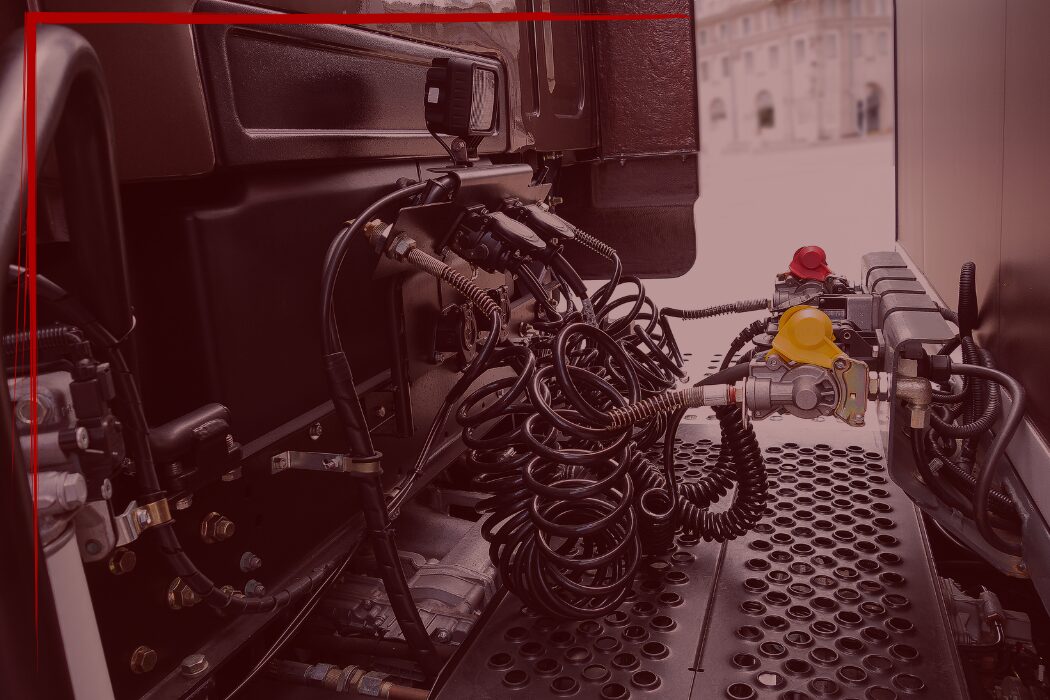
Annual Professional Servicing
At least once a year, schedule a comprehensive inspection by a qualified technician. Brakes, axles, wiring, and structural components should be evaluated together so repairs can be planned before peak hauling seasons.
Expert trailer maintenance services can identify deeper issues and help keep your trailer is ready for demanding hauls.
Smart Tips for Hassle-Free Trailer Care
Preventive maintenance is easier when it is built into normal, smooth operations instead of being treated as a one-off task. These habits help reduce missed inspections, improve readiness, and keep seasonal checklists manageable.
Build Maintenance Into Travel Routines
Post-haul inspections are one of the simplest ways to catch problems early. Road vibration, weather exposure, and repeated hookups can loosen hardware or stress components even on short trips.
After long or frequent hauls, take a few minutes to walk around the trailer and check the tires, brake lights, couplers, and any visible wiring. These small checks are some of the most effective trailer maintenance tips you can follow.
Keep Tools and Records Accessible
Having the right tools and technology nearby reduces delays and makes minor fixes easier to handle on the spot. A basic kit with lubricants, tire gauges, spare bulbs, and hand tools covers most routine needs.
Recordkeeping is just as critical. Logging inspections, repairs, and part replacements helps identify recurring issues and supports better planning ahead of seasonal transitions, extreme temperatures, or long-distance moves.
Standardize Inspections Across Trailers
Consistency matters, especially when managing multiple trailers. Using the same inspection process for every unit helps reduce missed steps and creates a shared baseline for condition and readiness.
Standard checklists also make it easier to hand off trailers between drivers or teams. Everyone knows what has been checked, what still needs attention, and when the next inspection is due.
Schedule Maintenance Before Transport Windows
Maintenance is most effective when it happens before timelines tighten. Scheduling inspections and preventive work ahead of peak seasons reduces last-minute repairs and limits downtime when trailers need to be moved.
Following a trailer preventive maintenance checklist early allows issues to be addressed on your schedule rather than during active hauling or transport windows. That preparation supports smoother logistics and fewer disruptions.

Keep Your Trailer Road-Ready All Year Long
Seasonal maintenance creates predictability. When inspections are consistent and equipment is prepared, trailers move more safely, schedules stay intact, and unexpected delays are easier to avoid. A structured approach supported by smart trailer maintenance tips, timely brake maintenance, and professional trailer maintenance services. This helps reduce downtime and extend equipment life.
Once your trailer is ready to move, choosing the right transport partner is a big step. Trailer Transit specializes in hauling trailers across regions and seasons, coordinating transport with experienced drivers and careful planning. Our focus on safe handling and dependable delivery keeps your operations moving without unnecessary risk.
Planning a seasonal haul or long-distance trailer move? Schedule your transport and move your trailer safely, efficiently, and on time. Contact us now!