Power-Only vs. Full-Service Trucking: Costs and Key Differences
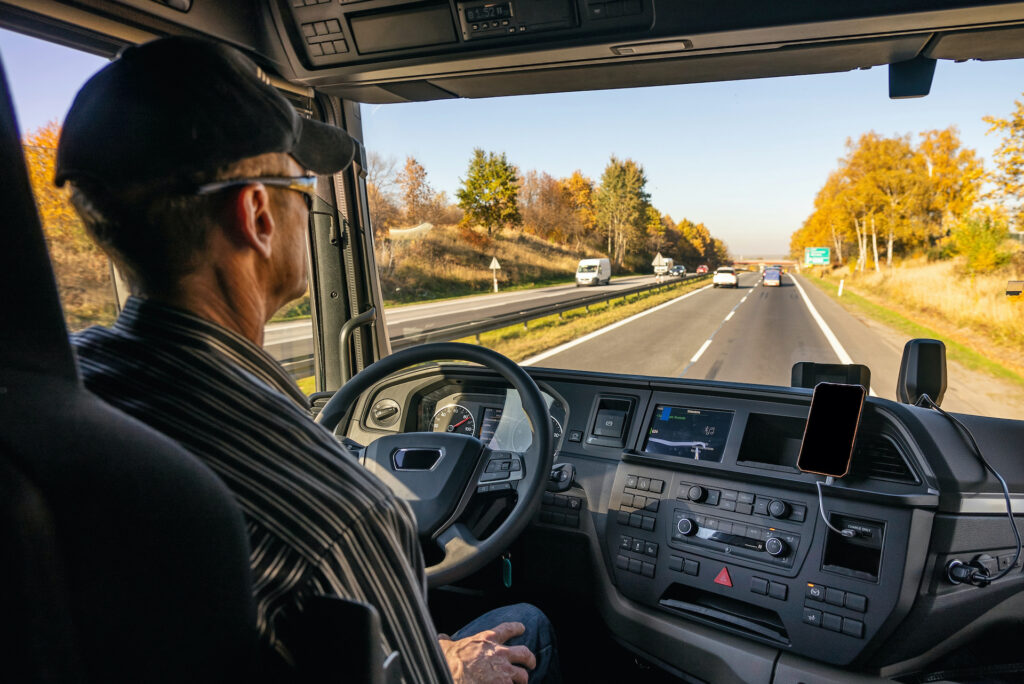
October 16, 2026Over-the-road trucking is often described as a solitary profession. There are long stretches of highway, hours behind the wheel and nights spent away from home. For an OTR truck driver, much of the day really is spent in the cab.
But alone and isolated aren't necessarily the same thing. A trip across the country can put a driver in contact with dozens of people. Some interactions last only a few minutes. Others become familiar routines or relationships that continue for years.
That can be especially true in power-only trucking, where owner-operators travel from one location to another to transport trailers rather than hauling the same goods from one destination to the next. The work can take drivers to a wide variety of locations, with plenty of different people along the way.
At a Glance
- OTR trucking involves plenty of time alone in the cab, as well as nights away from home.
- Power-only trucking can take owner-operators to a wide variety of locations and introduce them to different people along the way.
- Drivers interact with dispatchers, mechanics, shippers, receivers, other drivers and people at stops throughout their trips.
- Some of those interactions are brief, while others become familiar and meaningful parts of life on the road.
- The people a driver encounters can make an otherwise unfamiliar place feel a little more familiar.
Is OTR Trucking Lonely?
There are certainly lonely moments in OTR trucking. Spending hours by yourself on the highway is part of the job, and being away from family and friends can be difficult. But a driver's day isn't necessarily as isolated as it might look from the outside.
A driver might talk with a dispatcher in the morning, stop for fuel and chat with someone at the counter, check in with a shipper, cross paths with another driver at a rest area and work with a mechanic later in the day. None of those interactions may last very long. Together, though, they add up to a day filled with people.
There's also a particular kind of connection that comes from being around people who understand the work. Another driver doesn't need a long explanation about why finding a parking spot matters, why a weather delay can change an entire day, or why a small problem with a truck can become a very big problem if it isn't handled.
Sometimes a quick conversation is enough to remind you that you're not the only person dealing with the challenges of the road.
The People Drivers Meet at Fuel Stops and Along the Road
When traveling across the country, familiar places can be comforting. The same is true of familiar people.
A driver might stop at the same fuel station often enough for an employee to recognize them. A restaurant server might remember their usual order. Someone working at a truck stop might know which parking spaces tend to open up first—a small bit of local knowledge that can make a difference when finding a safe place to park isn't always easy for drivers.
These aren't necessarily friendships in the traditional sense. Sometimes it's just a familiar face and a friendly hello. But when much of the work takes place in unfamiliar places, those little moments can matter.
They also become part of the rhythm of OTR trucking. Drivers learn where they like to stop, who they recognize, and which places feel a little less like a stop along the way and a little more like somewhere familiar.
The People Who Keep OTR Trucking Moving
Not every important interaction happens on the road itself. Truck drivers rely on a lot of people behind the scenes to keep everything moving. Dispatchers coordinate work and help keep drivers informed. Mechanics and maintenance teams solve problems that can't wait. Operations staff, trailer technicians, and other transportation professionals all play a role.
Over time, some of these people become familiar. A driver may know exactly who to call when something goes wrong. A mechanic may know the truck well enough to recognize a problem quickly. A dispatcher may know how a particular driver likes to work.
Those relationships are built one interaction at a time. And when something goes wrong far from home, having someone on the other end of the phone who knows what they're doing can make a difficult situation feel a little more manageable.
The Connections Made at Pickups and Deliveries
Every pickup and delivery brings another set of people into the driver's day.
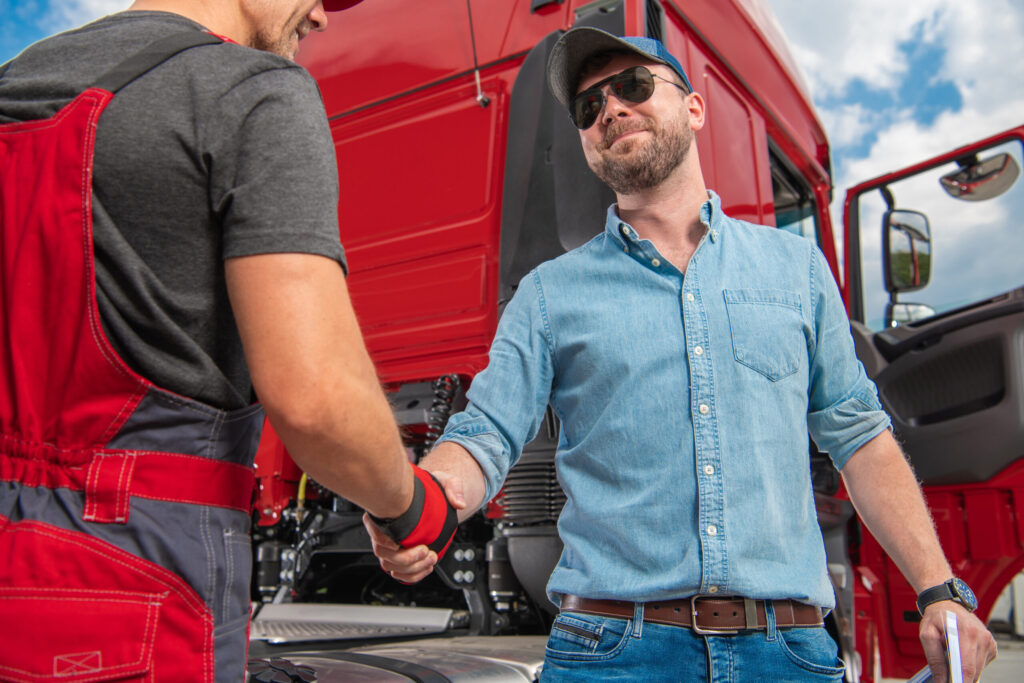
For power-only drivers, that can mean visiting a wide variety of locations to pick up, move, or deliver trailers, often working with different people from one trip to the next. Some interactions are quick: checking in, exchanging paperwork, getting instructions, and getting back on the road. Others have a bigger impact.
Maybe someone takes a few extra minutes to explain where a driver needs to go. Maybe a receiver helps a driver navigate an unfamiliar property. Maybe a driver returns to the same location often enough that the people there begin to recognize them.
OTR trucking can take drivers to places they would never otherwise visit, and those places come with their own communities and people. A driver may only be there for an hour. But for that hour, they're part of that person's workday, and that person is part of theirs.
What Other Truck Drivers Understand
There's a certain shorthand among people who do the same job. A conversation between two drivers can go from weather to traffic to equipment to parking without much explanation. Both people already understand the basics.
Sometimes the mutual understanding is even simpler.
A driver lets another truck merge. Someone gives a little extra room while another driver is backing. Someone points out that a light isn't working or that a tire doesn't look right. Small courtesies can make a difference when OTR drivers are spending so much time around people they don't know.
And occasionally, those brief encounters turn into friendships. Drivers may keep in touch with people they've met on the road or find themselves running into the same people again and again in completely different parts of the country.
The country is a big place. The trucking community can make it feel a little smaller.
Can Drivers Be Home Every Night with OTR Trucking?
No. OTR trucking is different from local or home-daily work.
When the job involves transporting equipment across longer distances, drivers should expect to spend nights away from home, including some weekends. The exact schedule depends on the work, trips, and operational needs.
But being away from home isn't the same thing as being disconnected from people.
Drivers stay connected with family and friends from the road. They build routines with people they see during their work. They develop relationships with the people who support their work. And they encounter new people almost every day.
The road can take us away from home without taking us completely away from the rest of the world. Staying connected and finding a rhythm that works with life on the road is part of adapting to the long haul.