
Reduce Owner-Operator Expenses With Smart Strategies
November 6, 2026The Difference Between Towaway, Driveaway, and Traditional Freight
Moving a trailer, an RV, or a finished truck from point A to point B sounds simple until the pricing starts. That's where towaway transportation comes in, alongside two other methods that look alike on paper but work very differently in practice. Pick wrong, and you overpay, miss your delivery window, or get equipment back in worse shape.
This article explores the three methods that share one goal but get there differently. One tows your equipment. One drives it. One rents you cargo space. The Federal Motor Carrier Safety Administration (FMCSA) uses the term driveaway-towaway operation in a narrower regulatory sense. For example, a tractor pulling a trailer may fall under that classification when the trailer itself is the item being delivered, such as a new trailer moving from a manufacturer to a dealer.
This article will help you understand which method fits your shipment, your timeline, and your equipment.
What Towaway Transportation Actually Means
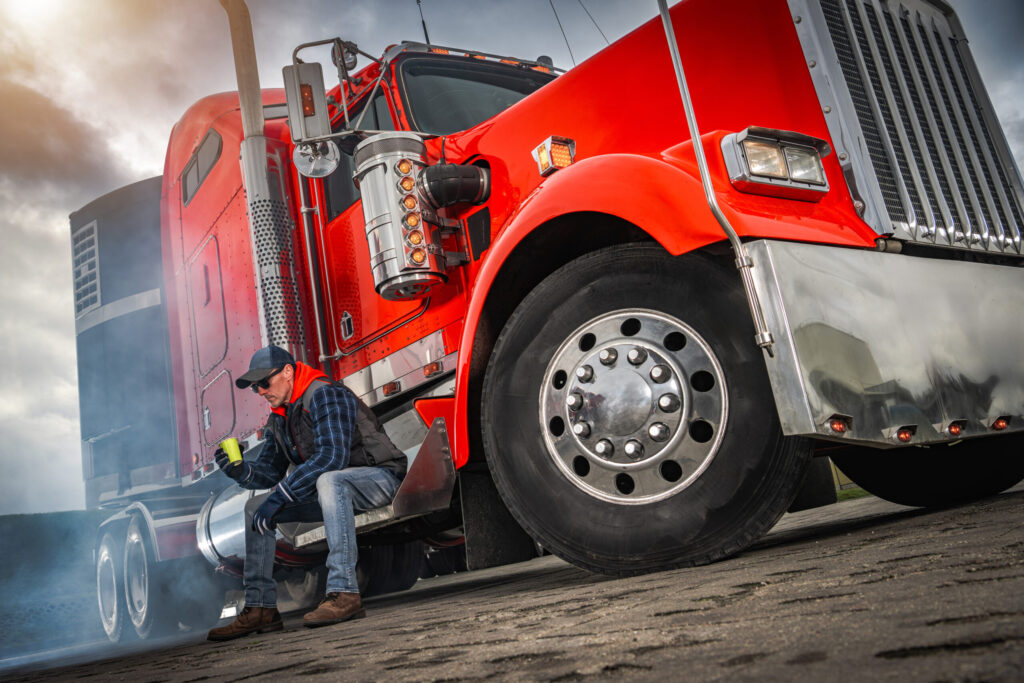
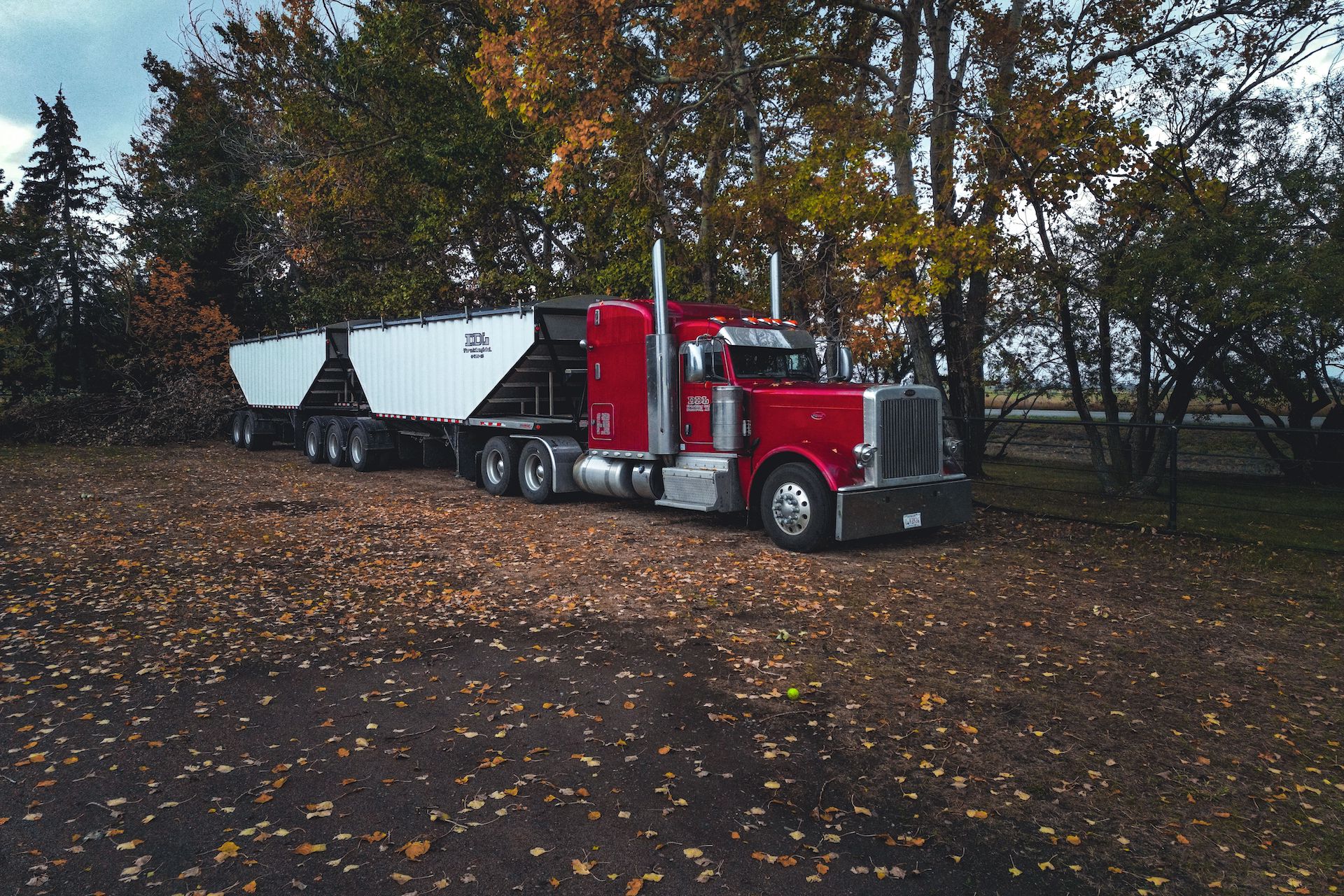
Towaway transportation means a tractor and a professional driver haul a trailer you own, loaded or empty. You supply the trailer. We supply the power unit and the operator. That separation is what makes power-only trucking work. The power-only trucking process covers everything from booking to delivery.
Power-only describes what the carrier supplies: a tractor and driver to pull your trailer. Towaway describes the trailer move. The trailer remains on its own wheels during transport, so its tires and running gear still accumulate road miles. Check the trailer’s condition and suitability for the trip before pickup.
Plenty of loads fit. Dry vans, flatbeds, refrigerated trailers, containers, and stage or show equipment all move well under towaway. Portable power gear fits too, and generator hauling is a good example of a load where the right tractor and a prepared driver make all the difference. If you already own your fleet, this method keeps your trailers working without buying more tractors.
Where Traditional Freight Fits In
Traditional freight transportation runs on a different premise. The carrier supplies the tractor and trailer, then moves your cargo inside. You rent capacity. You don't move your own equipment. Hand over pallets, boxes, or bulk goods, and their trailer carries them.
That's the key difference. With towaway or power-only, you own the trailer and only need power. With traditional freight, the carrier owns everything, and you buy space by the pallet, the load, or the full truckload. One method moves your asset. The other moves your goods inside someone else's asset.
If you don't own a trailer, or have a one-time shipment that doesn't justify supplying one, traditional freight can be a practical choice. The carrier provides the equipment to move your cargo. If you already have a trailer and only need a tractor and driver, power-only service may be a better fit.
Choosing the Right Method for Your Load
The right method comes down to five questions. Who owns the trailer? What's shipping? How far is it going? How fast does it need to arrive? What's the budget? Answer those, and the choice is usually clear.
Ownership is the first question. If you own the trailer, towaway keeps that asset moving and skips trailer rental costs. If you don't, freight supplies the box. Distance and budget come next. Longer hauls tend to lower the cost per mile under any method, so a cross-country run doesn't price like a short local move. If your lanes run regular routes, power-only trucking near you can cover recurring hauls and repositioning.
Each method has trade-offs. Towaway lets you use your own trailer and may support drop-and-hook operations when the locations and schedule allow. Driveaway adds miles to the vehicle being delivered. Traditional freight provides carrier equipment when you need to move cargo without supplying a trailer.
Frequently Asked Questions
Matching the Transportation Method to Your Load
Three methods, one destination, very different routes. Towaway transportation pulls a trailer you own. Driveaway sends a driver to operate the unit. Traditional freight rents space in the carrier's trailer. What you own, what you're shipping, how far it's going, and how tight the timeline is will decide it.
Figure out those factors first, and the best method usually becomes clear. Owned trailers point to power-only. Self-propelled units point to driveaway. Loose cargo points to freight. Trailer Transit has run towaway transportation across 48 states and Canada for over 40 years, and we built the operation around getting this decision right the first time.
Need a trailer moved without tying up your own equipment? Request a quote and tell us what you're hauling and where it needs to go.