How to Choose the Best Owner-Operator Company in 2026
June 19, 2026Moving goods doesn’t have to mean managing your own fleet. Sometimes, the smartest logistics decision is using only what you need: just the truck and driver, to keep your operations efficient and costs under control.

That’s where power-only trucking stands out. By partnering with a power-only provider, businesses can keep their trailers moving without the expense, maintenance, and operational burden of owning and managing their own fleet.
Power-only trucking is a flexible freight solution in which a carrier provides only the truck and driver, while the shipper or another party provides the trailer. This model helps businesses move trailers without investing in additional tractors. Many industries use it to handle overflow demand, relocate equipment, or transport pre-loaded trailers.
In this guide, you will learn how power-only trucking works, when to use it, and why it adds value to logistics operations. As trucking continues to dominate freight movement, it has become essential to adopt flexible models that improve efficiency and reduce costs.
We will break down the concept, walk through the process, explore real-world use cases, and help you decide whether this model fits your business needs.
What Is Power Only Trucking?
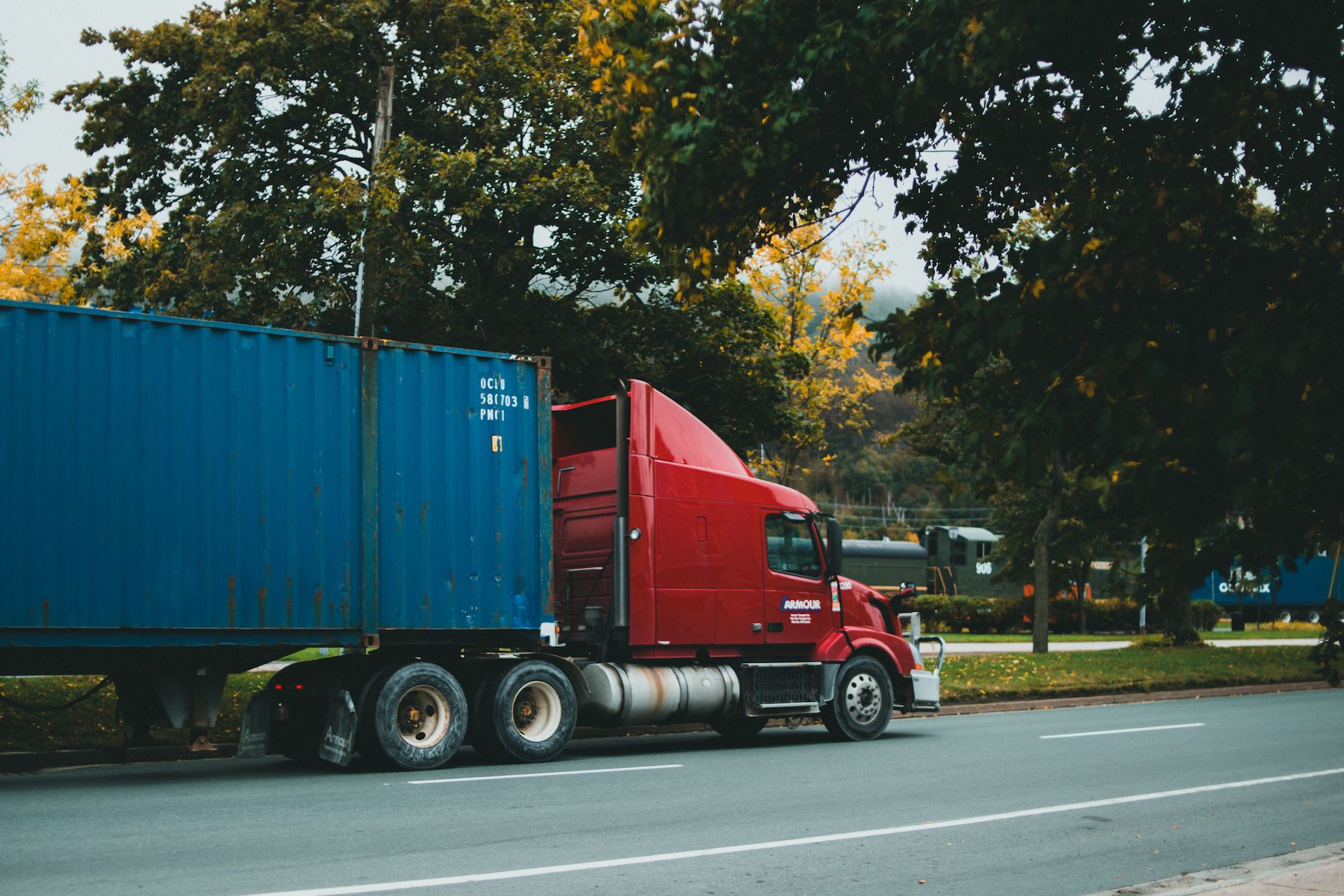
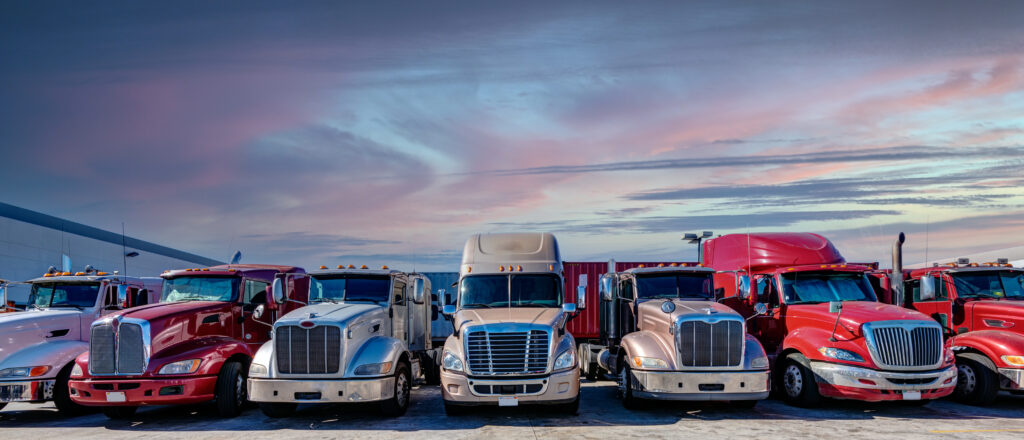
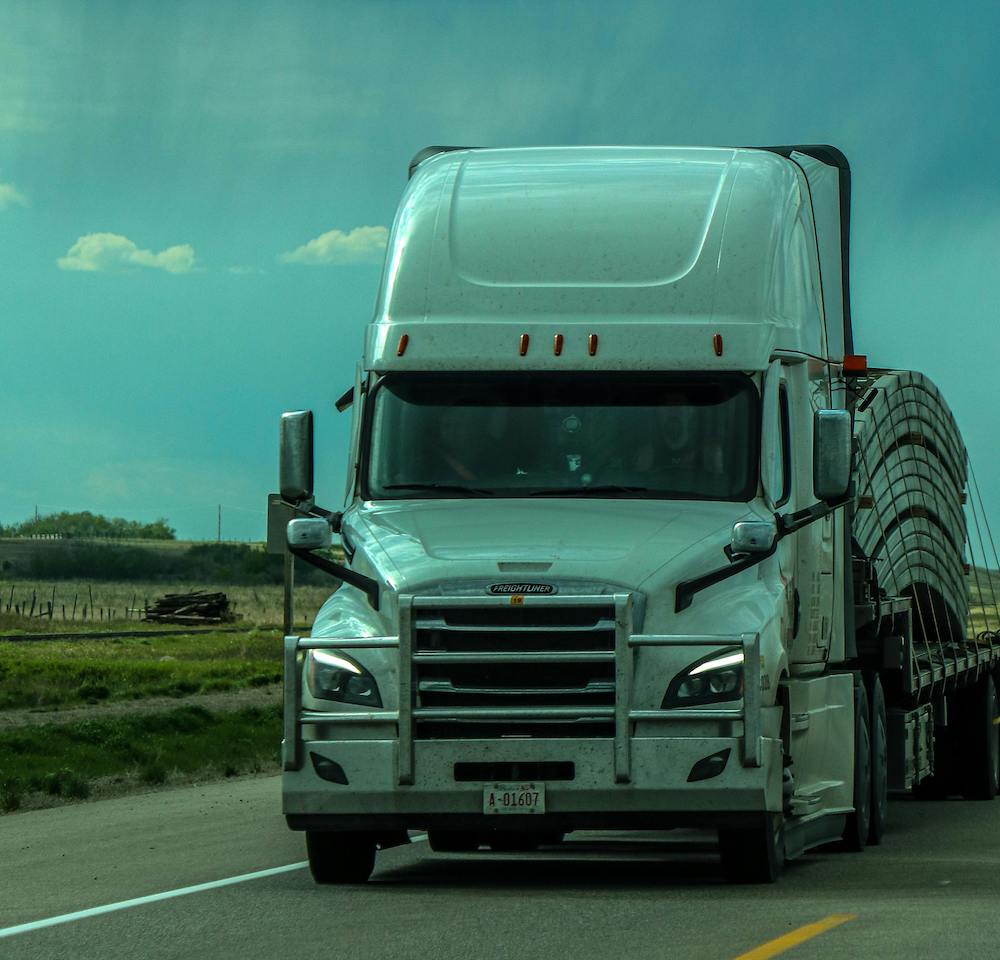
Power-only trucking refers to a shipping model where the carrier supplies only the “power unit,” which is the truck or tractor. The trailer is owned or leased by the shipper, manufacturer, or another logistics partner. In simple terms, power-only is a trucking service without a trailer included—the carrier connects to an existing trailer, transports it, and then detaches at delivery.
This setup differs from traditional full-service trucking, where the carrier provides both the tractor and trailer as part of a single service. In power-only trucking, responsibilities are clearly split:
- The shipper (or partner) provides the trailer
- The carrier provides the truck and driver
Power-only trucking works well for businesses that already own trailers or need help moving preloaded or idle units without investing in additional fleet capacity. According to the American Trucking Associations, trucks moved 72.7% of U.S. freight by weight in 2024, highlighting the growing demand for flexible solutions like power-only trucking.
How Power Only Trucking Works
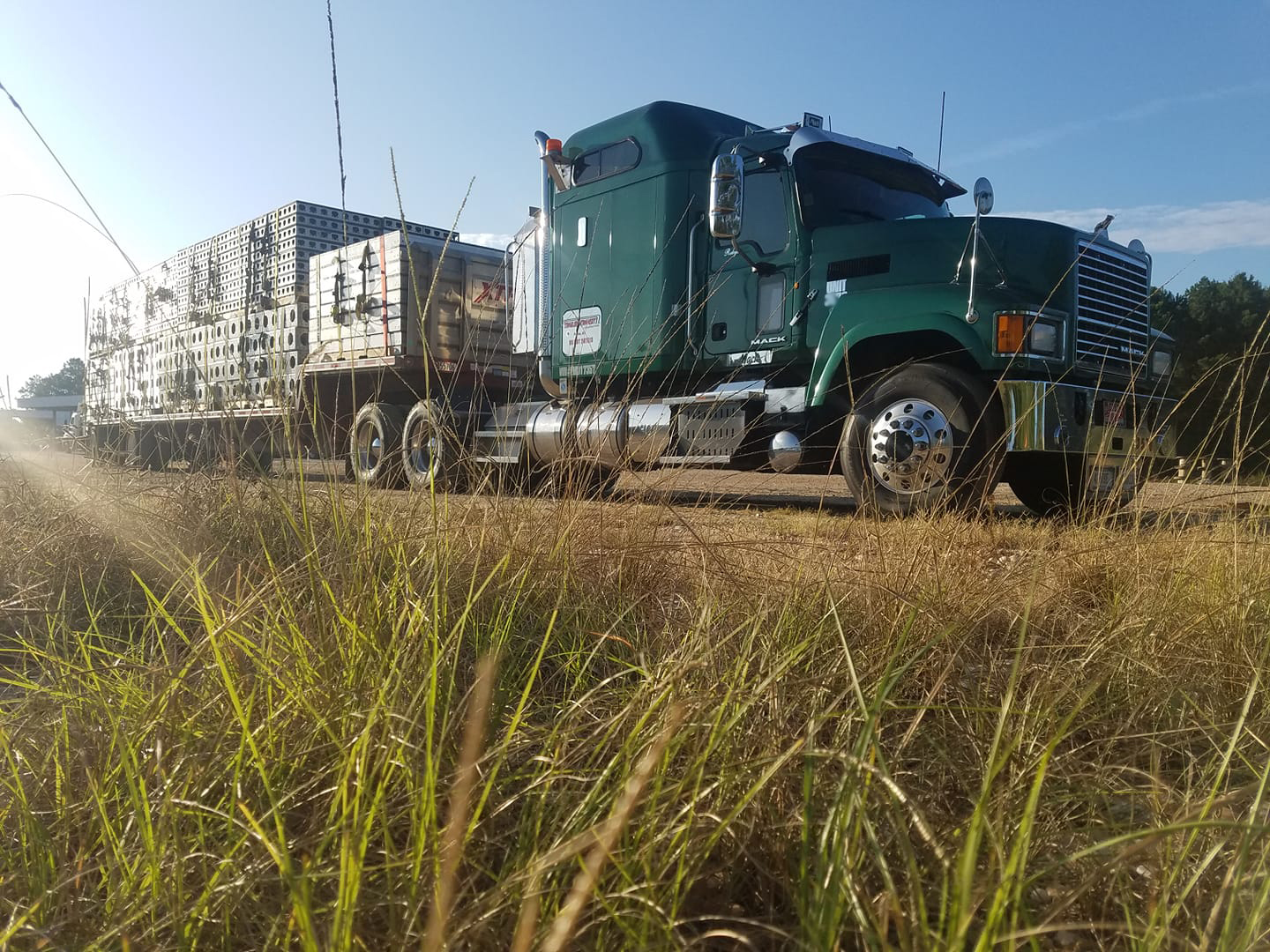
The process of power only trucking follows a simple sequence. Each step focuses on efficiency and minimal downtime.
1. Trailer Readiness
You prepare the trailer for transport and make sure it is ready for the road. It can be empty or preloaded with freight, depending on your operational needs. The trailer must meet all safety standards, including proper weight distribution, secure cargo (if loaded), and compliance with road requirements.
2. Driver Dispatch
The carrier assigns a driver along with a tractor unit. This driver arrives at the pickup location, inspects the trailer, and connects it securely to the truck. This step makes sure everything is safe and compliant before transport begins.
3. Pickup and Transport
Once connected, the driver hauls the trailer to the destination. During this stage, power-only freight moves just like standard shipments. In 2024, trucks transported 11.27 billion tons of freight, which shows the scale and efficiency of logistics operations across the country.
4. Delivery and Drop-Off
At the destination, the driver drops the trailer at the specified location and disconnects the tractor. The trailer is then ready for unloading or further use. Power-only freight loads often move faster because trailers are already loaded, reducing wait times at warehouses and improving turnaround speed.
What Does Power Only Mean for Shippers?
For shippers, power-only trucking comes down to shared responsibility between both parties.
Shipper Responsibilities:
Shippers are responsible for preparing and maintaining the trailer. This includes ensuring the trailer is road-ready, properly loaded, and compliant with safety regulations. They also manage loading and unloading operations and maintain the trailer’s overall condition.
Carrier Responsibilities:
Carriers focus on the transportation side of the operation. They provide the tractor and driver, handle the movement of the trailer, and ensure compliance with routes, regulations, and delivery timelines.
Power-only freight loads are a good fit when you already have trailers but lack enough trucks or drivers. This model also works during peak seasons when demand and additional capacity are required.
Common Use Cases for Power-Only Trucking
Many industries depend on this solution for specific needs. Here are common scenarios:
Trailer Manufacturers and Dealers
Trailer manufacturers and dealerships often need to move newly built trailers from production facilities to distribution centers or end buyers. Power-only trucking allows these businesses to transport units efficiently without maintaining a dedicated tractor fleet, reducing overhead while keeping deliveries on schedule.
Construction and Equipment Transport
Construction companies frequently use specialized trailers to carry heavy equipment such as excavators, loaders, and machinery. Power-only carriers move these trailers between job sites, eliminating the need for companies to invest in additional trucks and keeping equipment delivery safe and on schedule.
Seasonal or Surge Capacity
Retailers and agricultural businesses often experience seasonal spikes in demand. During these periods, power-only trucking helps move high volumes of goods quickly by utilizing preloaded trailers. This flexibility allows companies to scale operations without long-term investments in equipment.
Relocation of Empty or Pre-loaded Trailers
Companies often need to reposition trailers between warehouses, distribution centers, or regional hubs. Power-only trucking simplifies this process by providing the necessary transport capacity to move both empty and loaded trailers, helping maintain balance across supply chains.
Benefits of Power-Only Trucking
It offers clear advantages for businesses that manage trailers.
Cost Efficiency
One of the biggest benefits of power-only trucking is cost savings. Businesses avoid the capital expense of purchasing and maintaining additional tractors. Instead, they pay only for transportation services as needed, making it a more economical option for companies with existing trailer assets.
Flexibility
Power-only trucking provides the flexibility to scale operations based on demand. Whether you need additional capacity during peak seasons or occasional support for specific routes, this model allows you to adjust quickly without long-term commitments.
Faster Turnaround
Because trailers can be preloaded in advance, drivers spend less time waiting at loading docks. This leads to faster pickup and delivery cycles, improving overall efficiency in warehouse and distribution operations.
Reduced Equipment Ownership
With power-only trucking, businesses can focus on managing their trailers without the burden of maintaining a full truck fleet. This reduces maintenance costs, administrative complexity, and operational overhead.
These benefits support lean logistics strategies and help businesses control operational costs.
Power Only Trucking vs Full-Service Trucking
The main difference between power-only trucking and full-service trucking lies in equipment responsibility.
Power Only Trucking:
- You own or supply the trailer
- Carrier provides only the tractor and driver
- Lower cost when trailers are already available
Full-Service Trucking:
- Carrier provides both truck and trailer
- Higher cost but less responsibility for you
- Suitable when you do not own trailers
What Is Power Only Trucking Best For?
It works best when you have trailers ready and want flexible transport options. Full-service trucking suits businesses without trailer assets. Each model serves a different operational need, and choosing the right one depends on your equipment, budget, and shipping frequency.
What Types of Trailers Can Be Hauled?
Power-only freight supports many trailer types, which makes it highly versatile.
Dry Vans
Dry van trailers are the most commonly used type in power-only trucking. They are ideal for transporting general goods, packaged items, and retail shipments that do not require temperature control. Their enclosed structure protects cargo from weather and external damage.
Flatbeds
Flatbed trailers are used to transport oversized or heavy loads, such as construction materials, steel, and machinery. Power-only services are well-suited for these trailers because they allow businesses to move large items without needing specialized tractor ownership.
Specialized or Custom Trailers
Power-only trucking can also support specialized trailers, including refrigerated units (reefers), tankers, and custom-built equipment trailers. These require experienced drivers who understand the handling and safety requirements associated with each type.
Oversized Loads
For oversized or overweight loads, power-only carriers can manage transport with the proper permits and routing. This makes it possible to move large equipment or structures while staying compliant with transportation regulations.
Power-only freight loads span a wide range of industries, increasing the usefulness of this model.
Safety, Compliance & Driver Qualifications
A professional power-only trucking company follows strict safety and compliance standards. In the United States, carriers follow regulations set by the Federal Motor Carrier Safety Administration (FMCSA). Compliance rules can vary by state and region.
For example, Indiana may have specific weight limits or permit requirements that differ from those of other states. Cross-border shipments into Canada are subject to additional regulations. Experienced drivers play a key role. They know how to handle different trailer types and manage road conditions safely.
Ultimately, working with a qualified provider helps reduce risk and keeps shipments on schedule.
FAQs
Power-only trucking refers to a carrier providing only the tractor and driver to move a trailer. Drop-and-hook is a method within this model where drivers quickly swap trailers, minimizing wait times and improving efficiency at warehouses or distribution centers.
The cost of power only trucking depends on distance, trailer type, fuel rates, and demand. It is generally more cost-effective than full-service trucking when you already own trailers, as you only pay for the tractor, driver, and transportation services.
Businesses should use power-only trucking when they have available trailers but lack sufficient tractors or drivers. It is especially useful during peak seasons, for preloaded freight, or when relocating trailers between facilities to maintain operational efficiency.
Yes, power-only trucking can handle specialized trailers such as refrigerated units, flatbeds, and tankers. The key requirement is that the trailer must be roadworthy and compliant with regulations, while the carrier provides a qualified driver experienced with that trailer type.
Power-only trucking is suitable for both short and long-distance freight. Many carriers offer regional and nationwide coverage, making it a flexible solution for moving trailers across states or even for cross-border shipments when compliance requirements are met.
To choose a reliable provider, evaluate their safety record, driver experience, insurance coverage, and compliance with regulations. It is also important to check availability, service coverage, and their ability to handle your specific trailer type and delivery timelines.
Streamline Your Freight with Power Only Trucking
Power-only trucking provides a flexible way to move trailers without expanding your fleet. It supports faster loading, reduces costs, and adapts to changing demand. If you manage trailers, this model helps improve efficiency while keeping operations simple.
At Trailer Transit, we specialize in power-only trucking services, helping businesses move trailers efficiently while maintaining high safety and compliance standards. By working with an experienced provider, you can reduce operational costs and gain access to flexible freight solutions tailored to your needs.
Ready to simplify your trailer transport? Power-only trucking services offer a practical solution to keep your logistics running smoothly. Get in touch today to learn more.