
You’re So Cool, Aren’t You?
December 11, 2025
Owner Operator of the Month – November 2025 – Richard
December 23, 2025TL;DR
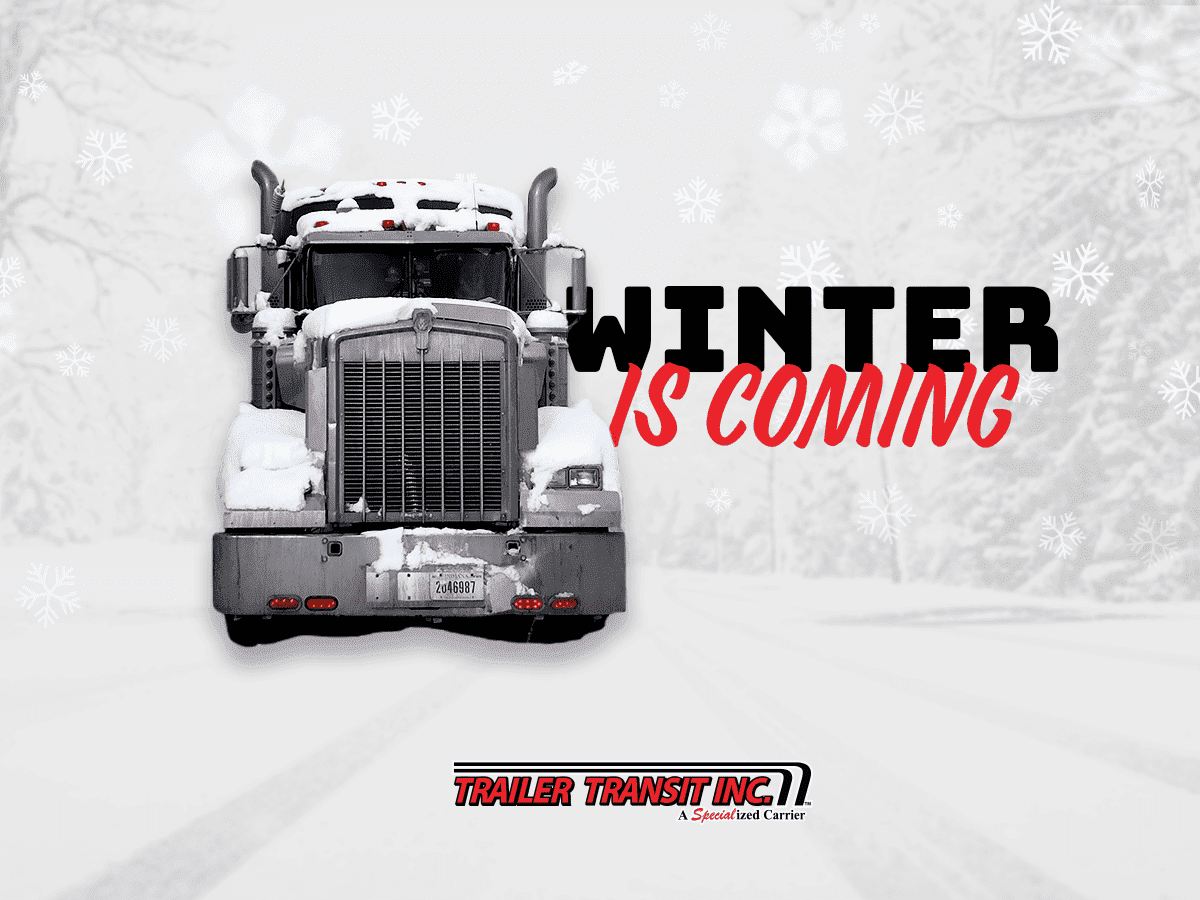
Winter on the road brings unique challenges, especially in snowy states like Michigan. This post pulls together winter truck driving tips that help protect you and your rig when conditions get tough. We cover smart prep for cold weather, managing slick roads, understanding what the yellow tabs on semi tires mean, and insights specific to winter truck driving Michigan routes. If you want to stay safe, reduce stress, and keep your freight moving when the mercury drops, these pointers are worth bookmarking.
The Where, What, When for Owner Operators
It doesn’t matter if you have been driving a truck for 12 months or 12 years, winter road conditions can make many drivers hesitate to take on a load. The Boy Scouts still have the best advice: Be Prepared. Here are some tips from Trailer Transit on how to be ready for winter truck driving.
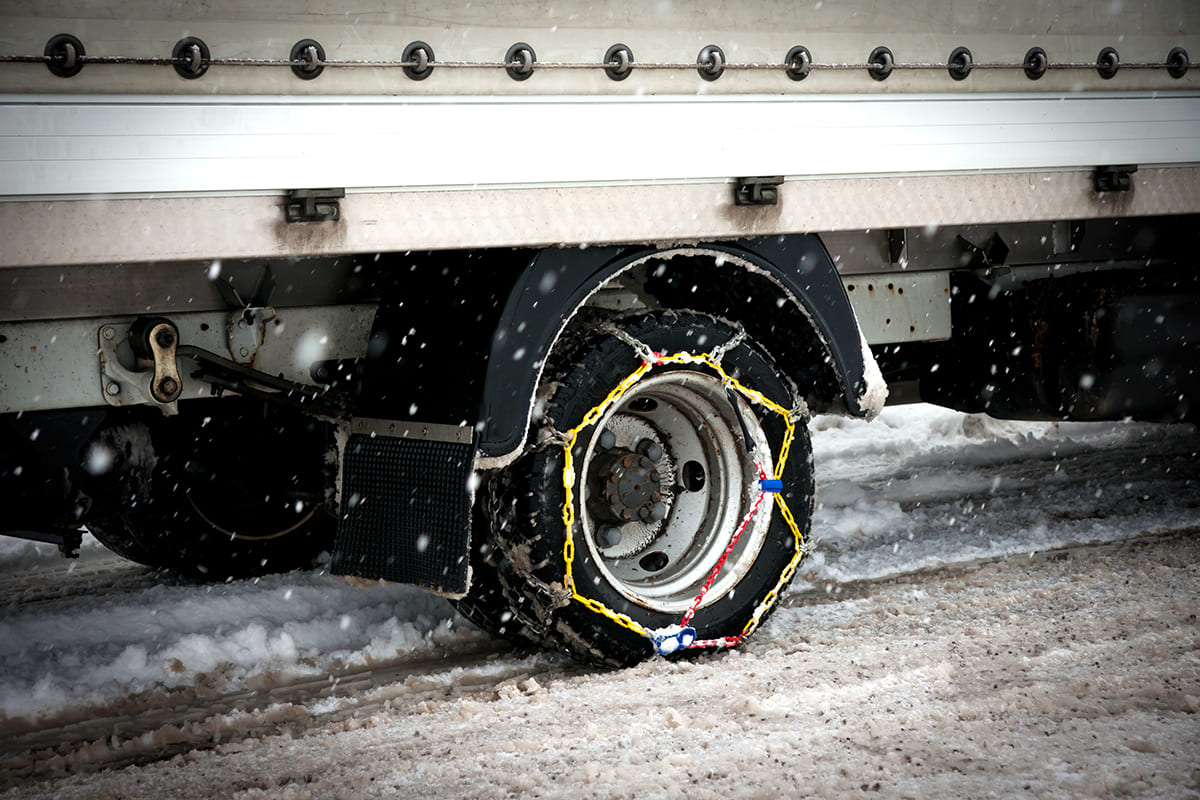
Tires & Chains
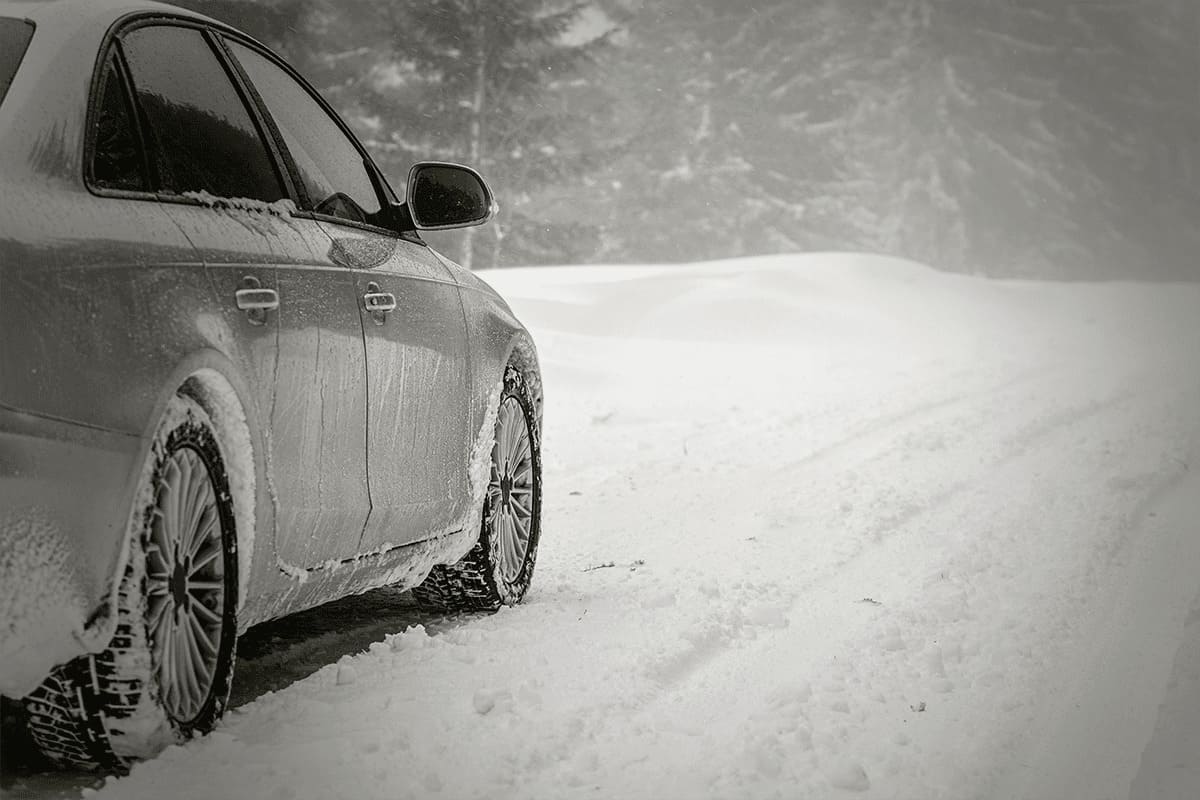
The elements of winter roads mean a little extra attention to your rig’s tires beyond the standard checks for tread and balance. Due to the colder temperatures truck tires can lose significant PSI with every 10 degree decrease. At the start of each day of a long haul, check your tire pressure to stay ahead of potential control issues that could put others on the road in danger. Another danger that can happen when driving on icy roads is irregular wear, or Tread Spotting.
According to Service Tire Truck Centers, tire spotting is when a section of tread is worn down unevenly or in small sections as a result of your tires making sudden contact with the bare pavement after sliding or spinning on ice. This can affect the smoothness of your drive and consistent contact with the road, fuel efficiency, and even the job itself should the wear cause your tires to come in under DOT tread minimums.
You undoubtedly carry your chains with you year-round so they are ready and available for that first snowy drive, but how old are they? Are they in good condition? Late fall is the perfect time to pull them out and give them a once-over to look for rust or weak or damaged links. Stay ahead of rusty chains by using an oil-based water displacer while storing them. If you don’t do this already, make your chain-check a part of your tire & wheel maintenance routine for this time of year.
Tool kits & winter gear
While keeping a tool bag in your vehicle might not be typical for the average commuter or soccer mom, it is almost a certainty for over the road commercial drivers. Think about how helpful your tools would be if needed on a winter haul. For power only drivers who don’t have a corporate road-side assistance service, we recommend brightly colored tools so they can be easily found if dropped in the snow. No need to purchase new ones though, get some traffic cone orange, hazard yellow, or neon green duct tape or grip tape to apply to your tools to make sure you don’t lose sight of them when you need them the most.

Some other tools we recommend are an emergency blanket or sleeping bag, extra food and water supplies, ice melt or the good old kitty litter, ice pick and shovel. Of course, what you can stock will depend on how much room you have, but we suggest reserving some of that room for a full-sized, single piece shovel that you can rely on over the many foldable options.
Pro tip: a single candle can save your life if you’re stranded on the road in the winter. There are many survival candle options under $10, but even a basic two-inch pillar candle from the dollar store can provide enough heat to keep you from freezing to death in most situations.

Know your routes
A great part of being an owner operator is the wide variety of places you can visit in our beautiful country and the option to choose somewhere you haven’t been before. Some of those scenic routes can be tricky no matter when you take them, but downright treacherous during the snowy months. Researching your route ahead of time can help you be mentally ready for a winter trek.
Look for information about routes that are subject to frequent road closures and have a high volume of accidents. Is your next haul in a well-known winter danger zone like the M-20 in Michigan or I-80 corridor in Wyoming? Determine why those highways are troublesome – will you be dealing just with snow, or are ice and wind significant factors you’ll be contending with?
Utilize the U.S. DOT National Traffic and Road Closure website to check your route before and during your job. Here are just a few details about some of the hazardous, but essential, US roads that are used to move goods from one part of the country to another.
- M-20 Michigan
- Winter weather + Deer on the road
- I-80 Wyoming
- Often closed for 1-2 days at a time due to winter conditions
- Winds steady over 40mph and frequent gusts over 60mph
- Heavy snow and drifting is common
- Black ice due to the amount of commercial traffic, sunny days during frigid temperatures
- Several routes in Colorado, Montana, Idaho
- Rocky Mountain highways are full of steep elevation changes
- Winding mountain passes are full of frequent and tight switchbacks
- Snowy conditions can decrease visibility of runaway-truck ramps
Watch out for the other guy
This is just a good reminder for anyone who gets behind the wheel, but with the increasing quality and decreasing costs of dash cams for semi drivers, we get to see more and more that the big rig drivers are more often not the perpetrators of the dangerous driving on the highways. To make sure it stays that way, follow all the old advice for winter hauling. Drive slower. Make sure you are alert. Keep tabs on the road conditions and communicate with other truckers. Most of all, power only drivers, come home safe.