
How to Choose the Best Owner-Operator Company in 2026
June 19, 2026
The Owner-Operator Experience: The Little Things Only Owner-Operators Truly Appreciate
June 24, 2026Moving goods doesn’t have to mean managing your own fleet. Sometimes, the smartest logistics decision is using only what you need: just the truck and driver, to keep your operations efficient and costs under control.
That’s where power-only trucking stands out. By partnering with a power-only provider, businesses can keep their trailers moving without the expense, maintenance, and operational burden of owning and managing their own fleet.
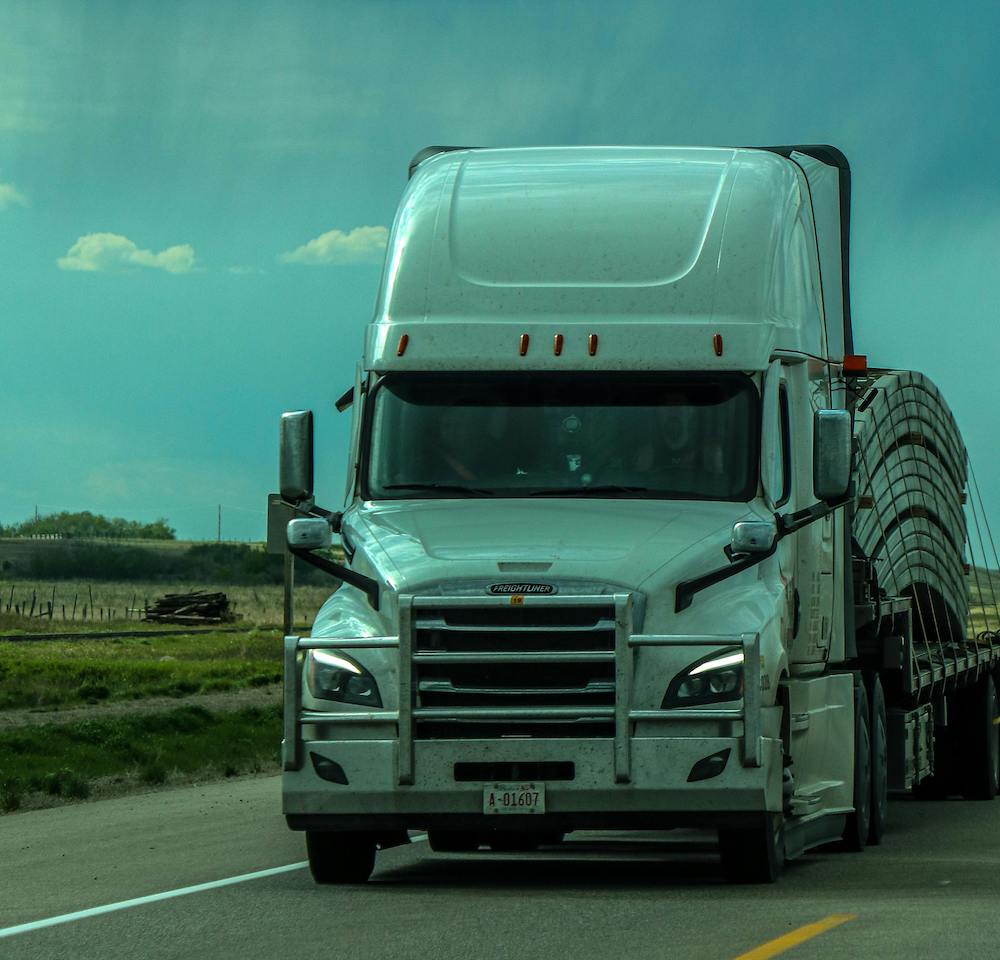
Power-only trucking is a flexible freight solution in which a carrier provides only the truck and driver, while the shipper or another party provides the trailer. This model helps businesses move trailers without investing in additional tractors. Many industries use it to handle overflow demand, relocate equipment, or transport pre-loaded trailers.
In this guide, you will learn how power-only trucking works, when to use it, and why it adds value to logistics operations. As trucking continues to dominate freight movement, it has become essential to adopt flexible models that improve efficiency and reduce costs.
We will break down the concept, walk through the process, explore real-world use cases, and help you decide whether this model fits your business needs.
What Is Power Only Trucking?
Power-only trucking refers to a shipping model where the carrier supplies only the “power unit,” which is the truck or tractor. The trailer is owned or leased by the shipper, manufacturer, or another logistics partner. In simple terms, power-only is a trucking service without a trailer included—the carrier connects to an existing trailer, transports it, and then detaches at delivery.
This setup differs from traditional full-service trucking, where the carrier provides both the tractor and trailer as part of a single service. In power-only trucking, responsibilities are clearly split:
- The shipper (or partner) provides the trailer
- The carrier provides the truck and driver
Power-only trucking works well for businesses that already own trailers or need help moving preloaded or idle units without investing in additional fleet capacity. According to the American Trucking Associations, trucks moved 72.7% of U.S. freight by weight in 2024, highlighting the growing demand for flexible solutions like power-only trucking.
How Power Only Trucking Works
What Does Power Only Mean for Shippers?
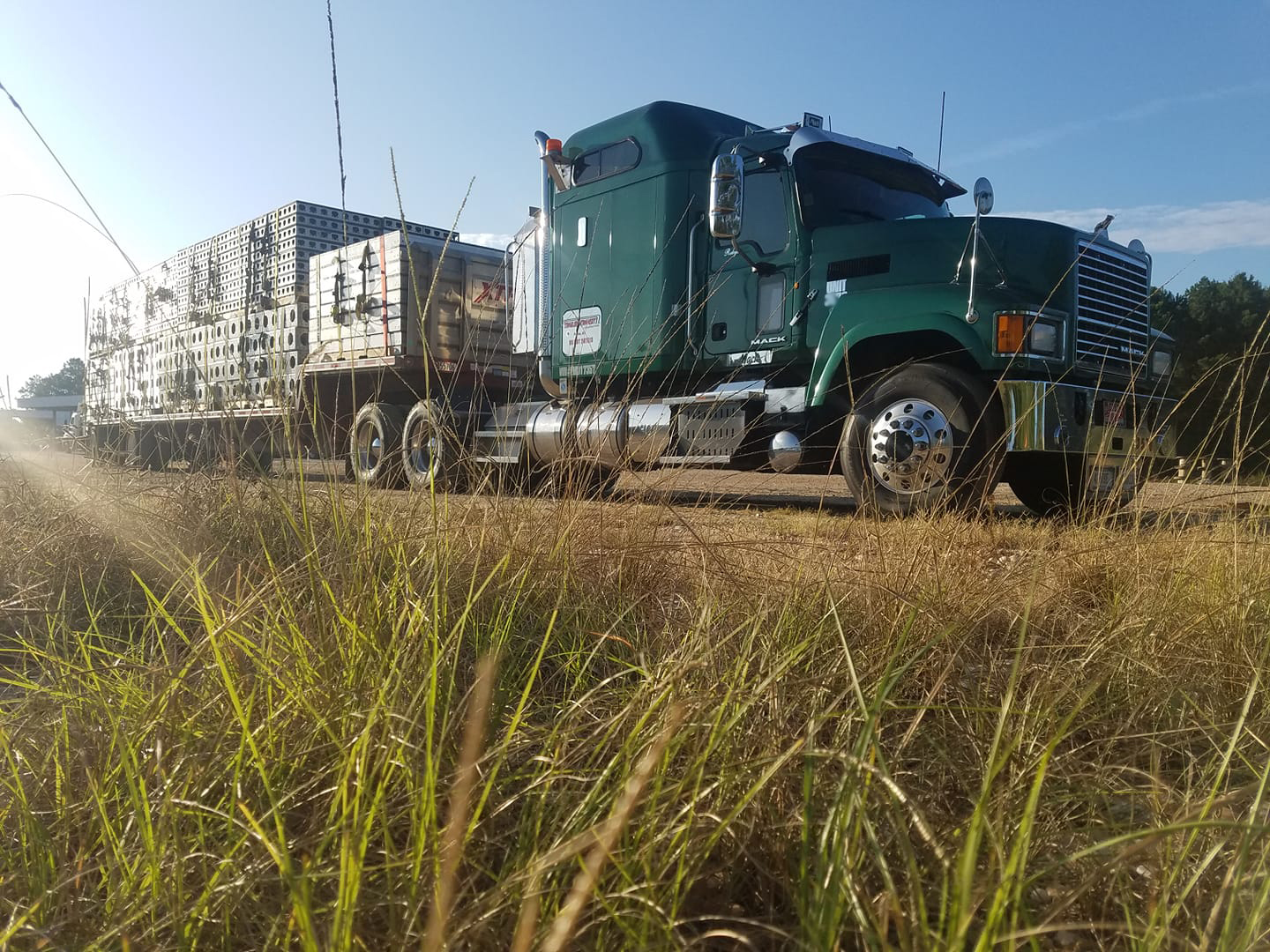
Shipper Responsibilities:
Shippers are responsible for preparing and maintaining the trailer. This includes ensuring the trailer is road-ready, properly loaded, and compliant with safety regulations. They also manage loading and unloading operations and maintain the trailer’s overall condition.
Carrier Responsibilities:
Carriers focus on the transportation side of the operation. They provide the tractor and driver, handle the movement of the trailer, and ensure compliance with routes, regulations, and delivery timelines.
Power-only freight loads are a good fit when you already have trailers but lack enough trucks or drivers. This model also works during peak seasons when demand and additional capacity are required.
Common Use Cases for Power-Only Trucking
Trailer Manufacturers and Dealers
Construction and Equipment Transport
Construction companies frequently use specialized trailers to carry heavy equipment such as excavators, loaders, and machinery. Power-only carriers move these trailers between job sites, eliminating the need for companies to invest in additional trucks and keeping equipment delivery safe and on schedule.
Seasonal or Surge Capacity
Relocation of Empty or Pre-loaded Trailers
Benefits of Power-Only Trucking
Cost Efficiency
Flexibility
Faster Turnaround
Reduced Equipment Ownership
These benefits support lean logistics strategies and help businesses control operational costs.
Power Only Trucking vs Full-Service Trucking
Power Only Trucking:
- You own or supply the trailer
- Carrier provides only the tractor and driver
- Lower cost when trailers are already available
Full-Service Trucking:
- Carrier provides both truck and trailer
- Higher cost but less responsibility for you
- Suitable when you do not own trailers

What Is Power Only Trucking Best For?
What Types of Trailers Can Be Hauled?
Dry Vans
Flatbeds
Specialized or Custom Trailers
Oversized Loads
Safety, Compliance & Driver Qualifications
A professional power-only trucking company follows strict safety and compliance standards. In the United States, carriers follow regulations set by the
Federal Motor Carrier Safety Administration (FMCSA). Compliance rules can vary by state and region. For example, Indiana may have specific weight limits or permit requirements that differ from those of other states. Cross-border shipments into Canada are subject to additional regulations. Experienced drivers play a key role. They know how to handle different trailer types and manage road conditions safely. Ultimately, working with a qualified provider helps reduce risk and keeps shipments on schedule.
Streamline Your Freight with Power Only Trucking
Power-only trucking provides a flexible way to move trailers without expanding your fleet. It supports faster loading, reduces costs, and adapts to changing demand. If you manage trailers, this model helps improve efficiency while keeping operations simple.
At Trailer Transit, we specialize in power-only trucking services, helping businesses move trailers efficiently while maintaining high safety and compliance standards. By working with an experienced provider, you can reduce operational costs and gain access to flexible freight solutions tailored to your needs.
Ready to simplify your trailer transport? Power-only trucking services offer a practical solution to keep your logistics running smoothly. Get in touch today to learn more.